
Methods for recording
of working hours
With our time-tracking system, your employees can easily log their work hours, regardless of their contract or work schedule.
SwissWorkTime allows employers to accurately track the number of hours worked each week, while adapting to the needs of the company’s entire workforce.
Flexibility and accuracy are guaranteed with our app—your smart calculator for tracking work hours
Daily tracking of hours worked: Each employee records their working hours as they go, giving you a real-time calculation of the actual duration of each workday. This information is essential for ensuring that each contract complies with the employer’s scheduled weekly work hours and vacation management policies.
- Breakdown by project/site: Allows you to calculate hours based on the selected category, providing a detailed overview of how each employee’s work time is distributed across tasks and days.
- Optional task-based breakdown: for better cost and profitability analysis. This allows the employer to ensure that the total time worked on each project is in line with projections and to adjust objectives based on available staff.
- Tracking of supplies used: for better inventory management and accurate billing. This feature is particularly useful for tracking resource usage across different workdays throughout the week.
Say goodbye to tedious timesheets and data entry errors!
SwissWorkTime is much more than just a time tracker: it’s a comprehensive application for calculating work hours, delivering an immediate ROI (Return on Investment). It allows employers to more effectively manage time off, contract-based schedules, and each employee’s working hours over the course of a week or a year.
Input modes to suit your needs
To make it easy to track work hours and adapt to your needs, SwissWorkTime offers your employees four different ways to enter their hours:
- free-form entry (start time and end time)
- by clock-in: swiping an NFC card using our time-clock software
- by checking in by scanning a QR code (on paper or digitally)
- in timer mode

Free-form entry

You trust your employees to enter their hours. The “free entry” mode allows them to record their hours in the time-tracking software on a daily basis, with the option to break them down by project or job site, by task, and even to log the supplies used.

Stamping on an NFC card
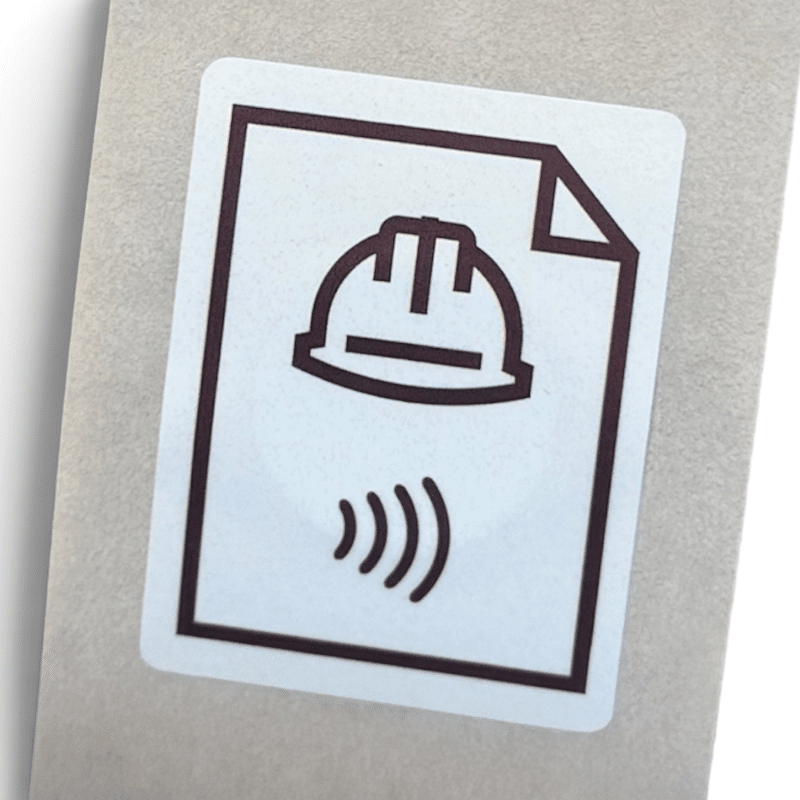


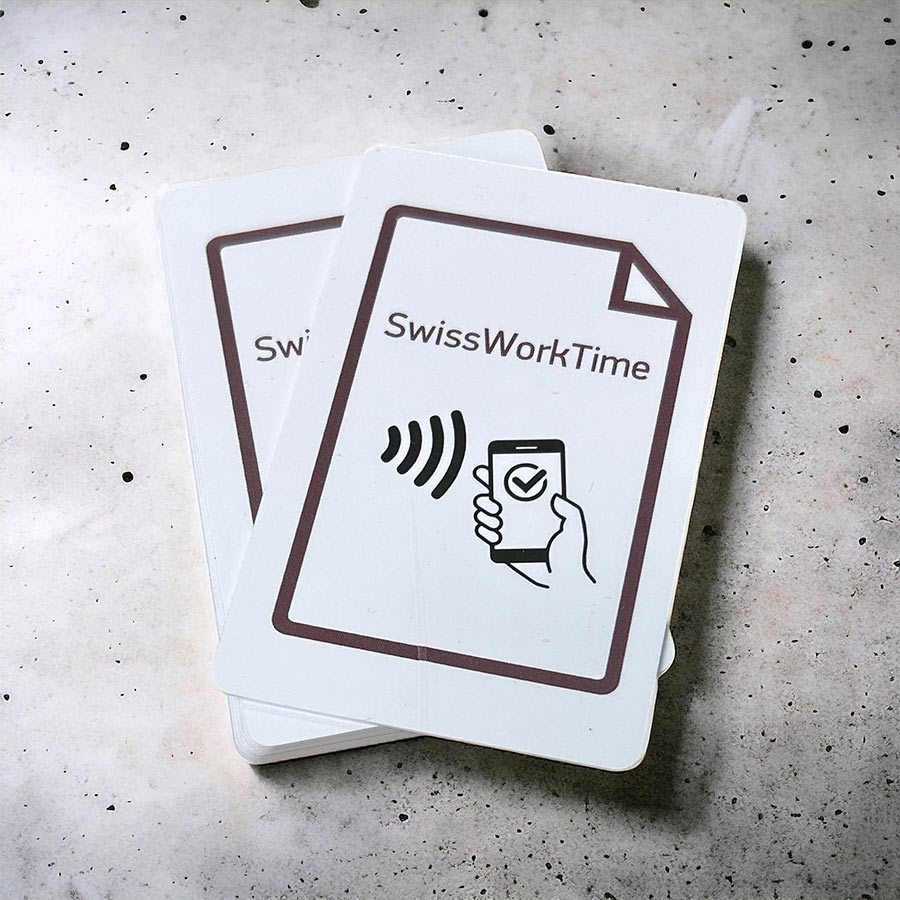

Would you like to ensure accurate time tracking or make it easier to break down your hours? Our time-tracking module allows you to use our NFC cards to automatically record start and end times—and thus the duration of your work hours.
All you need to do is set up “time clocks”—whether or not they are linked to a project or job site—and as soon as your employee swipes an NFC card, the start or end time is recorded. The card’s serial number must be configured for each time clock.
Our time-tracking software offers a wide range of settings, including options to configure the minimum start time, the maximum end time, rounding rules, and tolerance levels.
Available with our “Time clocking” PACK

Scan a QR Code
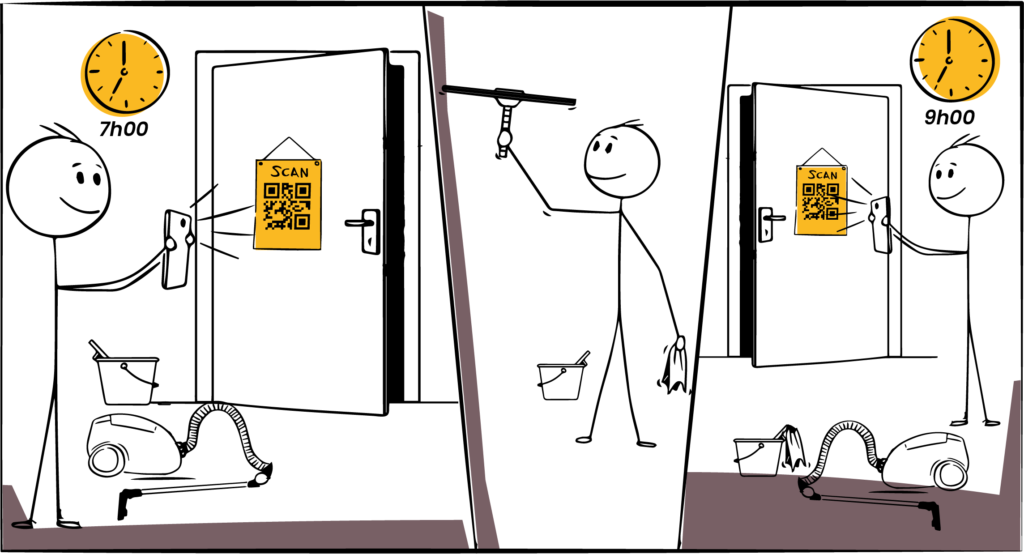
Would you like to ensure accurate time tracking or make it easier to break down your hours? Our time tracking module lets you automatically record start and end times using QR codes.
All you have to do is set up “time clocks”—whether or not they’re linked to a project or job site—and as soon as your employee scans a QR code, the start or end time is recorded.
Numerous settings allow you to configure, among other things, the minimum start time, the maximum end time, as well as rounding and tolerance.
Available with our “Time clocking” PACK

In stopwatch mode
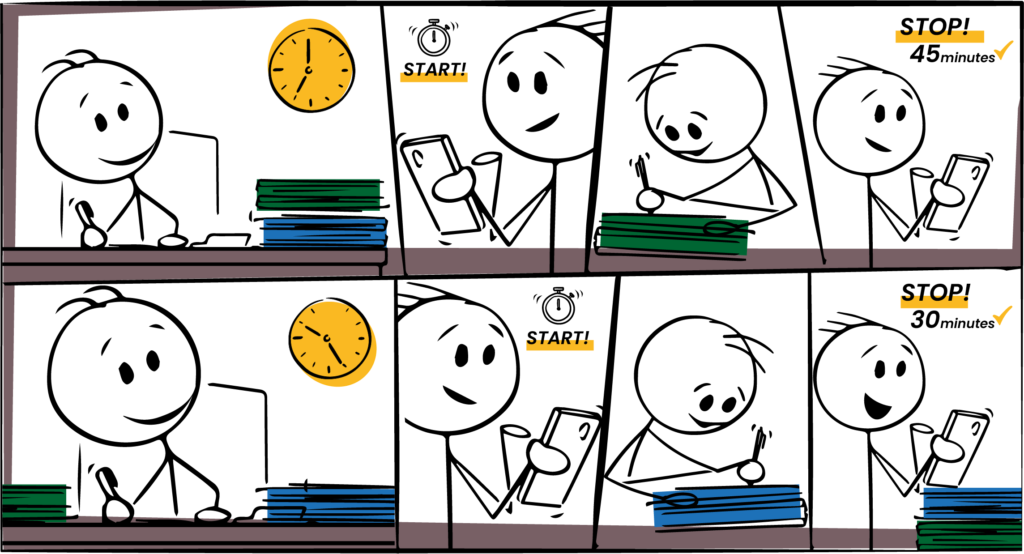
If your job requires you to time your tasks, the “Timer” mode lets you track your work time down to the minute or to the rounding level of your choice. This provides precise tracking of the time allocated to each activity during each work period, allowing employers to monitor how their teams’ actual work time is distributed throughout the week and month. This simplifies contract management and vacation planning, while ensuring compliance with the working hours agreed upon in each contract.
Test the application for free for 1 month